Why Hunters Should Train Like Endurance Athletes (Fitness for Hunting Season)
Hunting demands more than skill—it requires endurance. Learn why hunters should train like endurance athletes and how better fitness can help you go farther, hunt longer, and perform better in the wild.


Hunting has always required patience, discipline, and skill. But one thing that separates successful hunters from the rest isn’t talked about enough:
Physical endurance.
Whether you're hiking miles into the backcountry, dragging a deer through thick woods, or climbing ridges before sunrise, hunting demands more from your body than most people realize.
The truth is simple:
Hunters should train more like endurance athletes.
Endurance training doesn’t just make you fitter — it makes you more capable in the wild.
In this article, we’ll explore why endurance training is essential for hunters and how it can dramatically improve your performance during hunting season.
Hunting Is an Endurance Sport
Many people think of hunting as sitting in a tree stand or blind.
But real hunting often looks more like this:
- Hiking miles before sunrise
- Climbing steep terrain
- Tracking animals across rough ground
- Dragging or packing out heavy loads
- Spending long days moving through the wilderness
These activities require:
- cardiovascular endurance
- muscular stamina
- mental toughness
These are the same qualities that endurance athletes train every day.
When hunters begin training like endurance athletes, everything about their hunts improves.
Endurance Training Makes You More Effective in the Field
When your body is conditioned for endurance, you can hunt harder and longer.
That means:
- covering more ground
- staying focused during long hunts
- moving quietly without fatigue
- maintaining energy throughout the day
Fatigue leads to mistakes in the field.
Hunters who are exhausted tend to:
- rush decisions
- make noise while moving
- miss opportunities
- give up early
Endurance training helps prevent this.
When you're physically prepared, you can stay patient and sharp when it matters most.
Better Fitness Means Better Opportunities
Many hunting opportunities come from being willing to go where others won’t.
That might mean:
- hiking further into public land
- climbing higher elevations
- navigating rough terrain
- packing out heavy game
Hunters who train for endurance are able to reach areas that less prepared hunters simply avoid.
In many cases, those harder-to-reach locations hold the best opportunities.
Being physically capable expands the places you can hunt.
Endurance Training Builds Mental Toughness
Endurance athletes spend hours pushing through discomfort.
Long runs, difficult climbs, and hard workouts train the mind just as much as the body.
This mental toughness translates perfectly into hunting.
Hunting often involves:
- cold mornings
- long waits
- physical exhaustion
- challenging terrain
- days without success
Training teaches you how to keep going when things get hard.
That mindset is one of the biggest advantages a hunter can develop.
The Physical Demands of a Successful Hunt
Let’s look at a real scenario.
You wake up at 4:30 AM.
You hike two miles into the woods before daylight.
After hours of hunting, you harvest a deer.
Now the real work begins.
Dragging or packing out a deer can require moving 100 pounds or more across uneven terrain.
Without proper conditioning, this process can be exhausting or even dangerous.
Hunters who train regularly are far better prepared for this moment.
The Best Types of Training for Hunters
Hunters don’t need to train like professional marathon runners.
But they should focus on developing endurance and strength.
The most effective training includes:
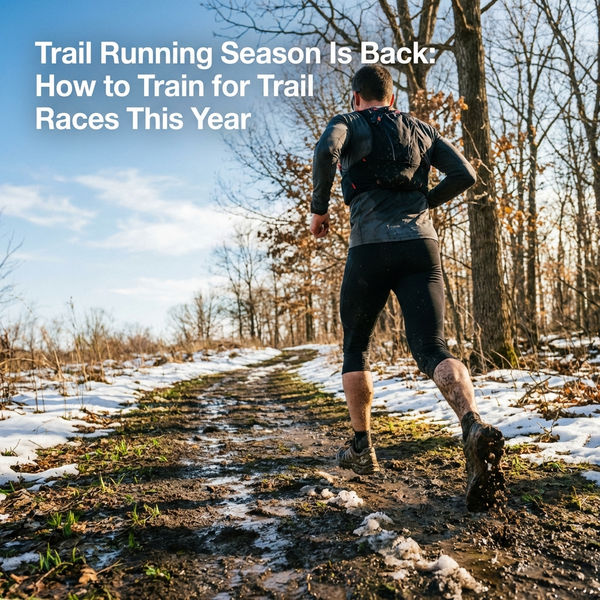
Trail Running
Trail running improves cardiovascular endurance while strengthening the legs for uneven terrain.
Running on trails also builds balance and stability that translate well to hunting environments.
Hiking With Weight
Training with a backpack builds strength and endurance for pack-outs.
Start with light weight and gradually increase over time.
This mimics real hunting situations.
Strength Training
Strength training supports endurance and injury prevention.
Focus on:
- legs
- core
- back
- grip strength
These muscle groups are heavily used during hunting activities.
Long Cardio Sessions
Activities like:
- running
- cycling
- hiking
- rowing
build the aerobic base that allows hunters to stay active for long days outdoors.
How to Start Training for Hunting Season
The best time to start preparing for hunting season is months before opening day.
A simple weekly routine might look like this:
3 endurance sessions
Running, hiking, or cycling.
2 strength workouts
Full body training focusing on legs and core.
1 long outdoor session
A long trail run or hike with a backpack.
This combination builds both endurance and strength.
Training for the Wild
At its core, hunting is about more than harvesting an animal.
It’s about pushing yourself, testing your limits, and connecting with nature.
Training like an endurance athlete prepares your body and mind for that challenge.
When you're stronger, fitter, and mentally tougher, the entire hunting experience changes.
You move with confidence.
You hunt longer.
You go places others won’t.
And most importantly, you become more capable in the wild.
Train Hard. Hunt Hard. Live Wild.
Endurance training isn’t just about fitness.
It’s about becoming the kind of hunter who is ready for whatever the wilderness demands.
The mountains, forests, and wild places reward those who are prepared.
If you want to hunt better, hunt longer, and push deeper into the wild, start training today.